Top Ecommerce Fulfillment Options: Dropshipping, 3PL, Self-Fulfillment & More
You’ve built your online store, sourced products, and started driving traffic. But there’s one question every ecommerce entrepreneur must answer: How will you get products into customers’ hands?
That’s where order fulfillment comes in. Fulfillment covers everything after a customer places an order: inventory storage, picking and packing, shipping, and returns. Choosing the right fulfillment model is crucial—it impacts your profit margins, customer satisfaction, and scalability.
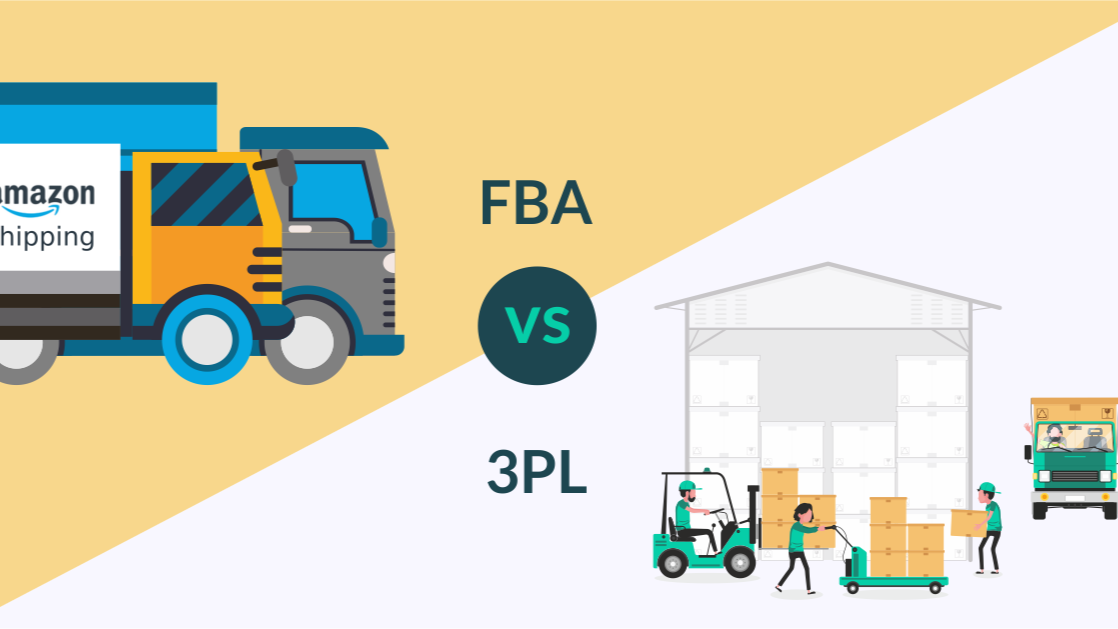
In this guide, we’ll compare the top ecommerce fulfillment options—dropshipping, self-fulfillment, third-party logistics (3PL), and Amazon FBA (Fulfillment by Amazon). We’ll break down the pros, cons, costs, and best use cases so you can choose the right option for your business size and budget.
1. Self-Fulfillment (In-House)
Self-fulfillment means you store inventory yourself (at home, in a garage, or in your own warehouse) and handle everything from packaging to shipping.
Pros ✅
-
Low startup cost: Perfect for small sellers who can’t afford warehouses or 3PL.
-
Full control: You decide on packaging, branding, and customer experience.
-
No third-party fees: You only pay carriers like USPS, UPS, FedEx, Royal Mail, etc.
-
Flexibility: Great for businesses testing new products.
Cons ❌
-
Time-consuming: Picking, packing, and shipping orders take hours.
-
Storage limitations: Hard to scale if your home or small warehouse fills up.
-
Logistics burden: Negotiating with carriers and handling returns is all on you.
Best For:
-
Beginners with low order volume (<100 orders/month).
-
Businesses with limited budgets.
-
Sellers who want full control of packaging and branding.
2. Dropshipping
Dropshipping eliminates the need to buy or hold inventory. Instead, when a customer orders, you purchase the product from a supplier (like AliExpress or Oberlo), who ships directly to the customer.
Pros ✅
-
No inventory risk: You only buy products after a sale.
-
Low upfront investment: No need to rent storage or buy in bulk.
-
Wide product variety: Easily test new niches without stockpiling goods.
Cons ❌
-
Low profit margins: Suppliers take most of the cut.
-
Little control: Product quality, packaging, and shipping times depend on the supplier.
-
Long shipping times: If suppliers are overseas (e.g., China), customers may wait weeks.
-
Branding limitations: Hard to create a premium experience.
Best For:
-
New sellers testing markets without committing to inventory.
-
Entrepreneurs with very small budgets.
-
Side hustlers who want passive or low-maintenance fulfillment.
3. Third-Party Logistics (3PL)
A 3PL provider stores your products in their warehouses, picks and packs orders, and ships them on your behalf. Examples include ShipBob, Rakuten Super Logistics, and Red Stag Fulfillment.
Pros ✅
-
Scalability: You can grow quickly without worrying about warehouse space.
-
Faster shipping: Many 3PLs have multiple warehouses, enabling 2-day or next-day delivery.
-
Professional handling: 3PLs often negotiate cheaper carrier rates due to volume.
-
Focus on growth: You save time for marketing and scaling instead of packing orders.
Cons ❌
-
Higher costs: Storage fees + fulfillment fees + shipping fees.
-
Less control: Packaging and customer experience are partially outsourced.
-
Integration setup: You need to sync your ecommerce platform with the 3PL.
Best For:
-
Businesses with steady order volume (500+ orders/month).
-
Growing brands ready to outsource logistics.
-
Sellers who want fast, reliable shipping without managing warehouses.
4. Amazon FBA (Fulfillment by Amazon)
With FBA, you send products to Amazon’s warehouses. Amazon then stores, picks, packs, and ships orders (both on Amazon and sometimes your own store).
Pros ✅
-
Prime eligibility: Your products qualify for Amazon Prime’s 1–2 day shipping.
-
Massive trust factor: Customers trust Amazon for fast delivery and easy returns.
-
Automation: Amazon handles everything, including customer service.
-
Global reach: Access to millions of Amazon customers.
Cons ❌
-
Fees: Storage + fulfillment + referral fees can eat profits.
-
Strict rules: Amazon requires specific packaging and labeling.
-
Inventory risks: Long-term storage fees if products don’t sell.
-
Brand control: Customers feel like they’re buying from Amazon, not you.
Best For:
-
Sellers already listing on Amazon.
-
Businesses wanting fast access to millions of customers.
-
Companies that value speed and convenience over brand independence.
Cost Comparison of Fulfillment Models
Fulfillment Model |
Startup Cost | Scalability | Profit Margins | Control Over Branding | Best For |
|---|---|---|---|---|---|
| Self-Fulfillment | Low | Limited | High | Full | Small/new sellers |
| Dropshipping | Very Low | High | Low | Minimal | Beginners, side hustlers |
| 3PL | Medium | High | Medium | Partial | Growing brands |
| Amazon FBA | Medium–High | Very High | Medium | Limited | Amazon sellers |
How to Choose the Right Fulfillment Option
Your choice depends on budget, order volume, and business goals.
-
Budget Constraints:
-
Tiny budget? Start with self-fulfillment or dropshipping.
-
Some capital? Consider 3PL or Amazon FBA.
-
-
Order Volume:
-
Under 100 orders/month → Self-fulfillment.
-
100–500 orders/month → Dropshipping or hybrid (test products while fulfilling in-house).
-
500+ orders/month → 3PL or Amazon FBA for scalability.
-
-
Branding vs Convenience:
-
Want strong branding? Self-fulfillment or 3PL.
-
Want convenience and fast delivery? Amazon FBA.
-
Don’t care about branding, just testing products? Dropshipping.
-
-
Sales Channels:
-
Selling mainly on Amazon → Amazon FBA.
-
Selling through Shopify, WooCommerce, or multi-channel → 3PL or self-fulfillment.
-
Hybrid Models: The Best of Both Worlds
Many businesses use a hybrid fulfillment strategy:
-
Start with dropshipping to test products.
-
Move to self-fulfillment once a product gains traction.
-
Switch to 3PL or FBA when scaling to hundreds or thousands of orders per month.
This way, you minimize risk while maximizing growth potential.
Practical Tips for Success
-
Always Track Costs: Compare fulfillment fees, shipping rates, and storage costs. Small differences add up.
-
Think About Customer Experience: Fast, reliable shipping builds trust and repeat sales.
-
Plan for Returns: Make sure your fulfillment model supports easy returns.
-
Test Before Committing: Try self-fulfillment or dropshipping first to validate your niche.
-
Use Software: Tools like ShipStation, EasyShip, and Inventory Planner help you manage inventory and orders.
Conclusion
Choosing the right ecommerce fulfillment option can make or break your business.
-
Self-fulfillment is cheap and flexible but limited for growth.
-
Dropshipping is low-risk but offers thin margins and less control.
-
3PL gives you scale and speed but at higher costs.
-
Amazon FBA offers convenience and Prime trust but reduces brand control.
There’s no one-size-fits-all answer—the best fulfillment option depends on your budget, growth stage, and long-term goals. Many successful ecommerce businesses evolve over time: starting small with dropshipping or self-fulfillment, then moving to 3PL or FBA as they scale.
By understanding your options and planning ahead, you can create a fulfillment strategy that balances cost, convenience, and customer satisfaction—giving your online store the best chance to thrive.