How to Handle Ecommerce Taxes, Shipping, and Legal Requirements
Starting an ecommerce business is exciting—you get to choose products, design your store, and attract customers from around the world. But one of the most intimidating aspects for beginners is dealing with taxes, shipping, and legal requirements.
The truth is: while setting up your online store is relatively easy, running it legally and efficiently requires some planning. Every country (and sometimes even state or region) has its own rules on sales tax, VAT, shipping laws, data protection, and business registration.
This guide breaks it down in a simple way—focusing on three major regions where most online sellers operate: the US, the UK, and the EU.
1. Ecommerce Taxes: What You Need to Know
United States (US)
In the US, sales tax rules can be confusing because they vary by state.
-
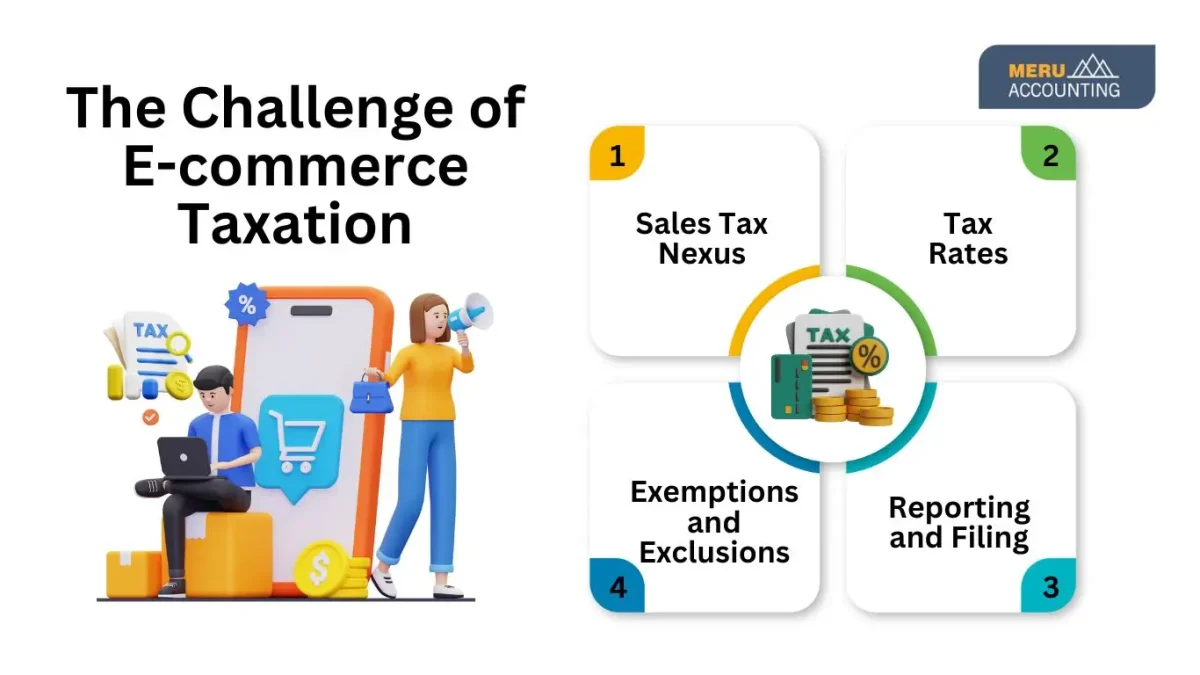
Sales Tax Nexus: You’re required to collect sales tax in states where you have a business presence (physical store, warehouse, employees) or an economic nexus (based on sales volume or revenue).
-
Thresholds: Many states require you to collect sales tax once you reach a certain number of sales or revenue (e.g., $100,000 or 200 transactions annually).
-
Sales Tax Collection: Most ecommerce platforms like Shopify, WooCommerce, or BigCommerce allow you to automate sales tax collection at checkout.
-
Filing Taxes: You need to register in each state where you have nexus and file sales tax returns (monthly, quarterly, or annually).
📌 Tip: Use tools like TaxJar or Avalara to automate compliance.
United Kingdom (UK)
In the UK, you deal with Value Added Tax (VAT).
-
VAT Registration: If your sales exceed £90,000 (2025 threshold), you must register for VAT.
-
VAT Rates: Standard rate is 20%, but some products (like children’s clothing or books) are zero-rated.
-
Cross-Border Sales: If you sell to EU customers, you may need to use the IOSS (Import One-Stop Shop) scheme to simplify VAT collection.
-
Digital Products: Digital goods (like software or ebooks) have their own VAT rules and must be taxed based on the customer’s location.
📌 Tip: Platforms like Shopify let you automatically add VAT to orders. Use HMRC VAT Online Services to file returns.
European Union (EU)
The EU harmonized VAT rules in July 2021 to simplify cross-border ecommerce.
-
VAT One-Stop Shop (OSS): Instead of registering in every EU country, you can register for OSS in one member state and report all EU sales.
-
VAT Rates: Each country has its own VAT rate (typically 17–27%). You must charge the rate based on the customer’s location.
-
Thresholds: For EU sellers, once you exceed €10,000 in cross-border sales, you must apply destination-based VAT.
-
Digital Services: Must always follow the destination-based VAT rule, no matter the revenue.
📌 Tip: Tools like Quaderno or SimplyVAT help manage EU VAT compliance.
2. Ecommerce Shipping: Handling Logistics
Shipping is one of the most challenging parts of running an online store—especially when you’re selling internationally. Customers want affordable, fast, and reliable delivery, while you want to keep costs under control.
US Shipping Rules
-
Carriers: USPS, UPS, FedEx, DHL are the major options.
-
Shipping Costs: You can charge customers, offer free shipping (by building costs into product prices), or use flat-rate shipping.
-
State & Federal Rules: You must comply with shipping timeframes promised to customers. For example, the FTC Mail Order Rule requires sellers to ship within the advertised time (or 30 days if not stated).
-
Returns: Federal law gives customers certain protections, but your store’s return policy is key—make it clear and fair.
UK Shipping Rules
-
Carriers: Royal Mail, Hermes, DPD, UPS.
-
Consumer Rights: Customers have the right to return most products within 14 days (Consumer Contracts Regulations).
-
Delivery Timeframes: You must ship within the promised timeframe; if no timeframe is stated, within 30 days.
-
Customs for International Orders: Since Brexit, shipping to the EU requires customs forms, and customers may pay import duties/VAT on delivery.
EU Shipping Rules
-
Carriers: DHL, DPD, GLS, PostNL.
-
Consumer Rights Directive: Customers have a 14-day cooling-off period for most online purchases.
-
Cross-Border Shipping: Since July 2021, the EU removed the low-value VAT exemption, meaning all imported goods (even under €22) are subject to VAT.
-
Transparency: You must clearly state shipping costs before checkout.
📌 Tip: Use shipping software like ShipStation, EasyShip, or ShipBob to compare carriers and automate labels.
3. Legal Requirements for Ecommerce
Beyond taxes and shipping, every online store must comply with certain legal obligations. These may differ by region but share common principles:
Business Registration
-
US: Register as a sole proprietor, LLC, or corporation. Apply for an EIN (Employer Identification Number) for taxes.
-
UK: Register as a sole trader or limited company with Companies House.
-
EU: Register with the local chamber of commerce or business authority.
Privacy & Data Protection
-
US: No single federal law, but California has CCPA (California Consumer Privacy Act). Other states are introducing their own privacy laws.
-
UK/EU: Must comply with GDPR (General Data Protection Regulation). This means:
-
Informing users how you use their data.
-
Getting consent for cookies.
-
Allowing customers to request data deletion.
-
-
Add a privacy policy and cookie banner to your site.
Consumer Rights & Refunds
-
US: Varies by state, but FTC requires honesty in advertising. Refunds depend on your store’s policy.
-
UK: Customers can cancel online orders within 14 days and receive a full refund.
-
EU: Same 14-day cooling-off period applies. Exceptions include personalized goods, perishables, and digital downloads once accessed.
Product Compliance & Safety
-
US: Products must comply with federal standards (e.g., FDA for food, CPSIA for children’s products).
-
UK/EU: Products must have CE marking (or UKCA marking in the UK) to show compliance with safety standards.
-
Labeling: Products like cosmetics, electronics, and toys have strict labeling requirements.
Terms & Conditions (T&Cs)
Every ecommerce site should have:
-
Terms of Service – Rules for using your site.
-
Refund Policy – Clear, fair, and compliant with local laws.
-
Shipping Policy – Timeframes, carriers, and costs.
-
Privacy Policy – How you handle customer data.
4. Tools & Resources for Beginners
If you’re new to ecommerce, you don’t have to manage everything manually. Here are some tools to simplify compliance:
-
Tax Compliance: TaxJar, Avalara, Quaderno.
-
Shipping: ShipStation, EasyShip, ShipBob, Shopify Shipping.
-
Legal Templates: Termly, iubenda, Rocket Lawyer.
-
Privacy Compliance: Cookiebot (GDPR/CCPA banners).
5. Practical Tips to Stay Compliant
-
Start Small, Then Expand: Begin selling in your home country first, then expand internationally once you understand the rules.
-
Be Transparent: Display all costs (taxes, shipping, duties) upfront—hidden fees cause cart abandonment.
-
Automate Where Possible: Use ecommerce tools to handle tax collection, shipping labels, and compliance.
-
Keep Records: Maintain receipts, invoices, and tax filings in case of audits.
-
Consult Professionals: For complex tax/legal matters, speak to an accountant or lawyer.
Conclusion
Handling ecommerce taxes, shipping, and legal requirements may feel overwhelming at first—but breaking it down by region makes it manageable.
-
In the US, focus on sales tax nexus rules and FTC shipping compliance.
-
In the UK, understand VAT and post-Brexit customs rules.
-
In the EU, register for OSS and follow GDPR and consumer protection laws.
By setting up proper systems early—using tools for tax automation, shipping management, and legal compliance—you’ll not only stay safe from penalties but also build trust with customers. Shoppers feel more confident buying from stores that are transparent, compliant, and professional.