The Role of Chatbots in Customer Service
Customer service has always been at the heart of business success. In the digital age, where customers expect instant responses and seamless support, businesses are turning to technology to meet growing demands. One of the most powerful tools to emerge in recent years is the chatbot.
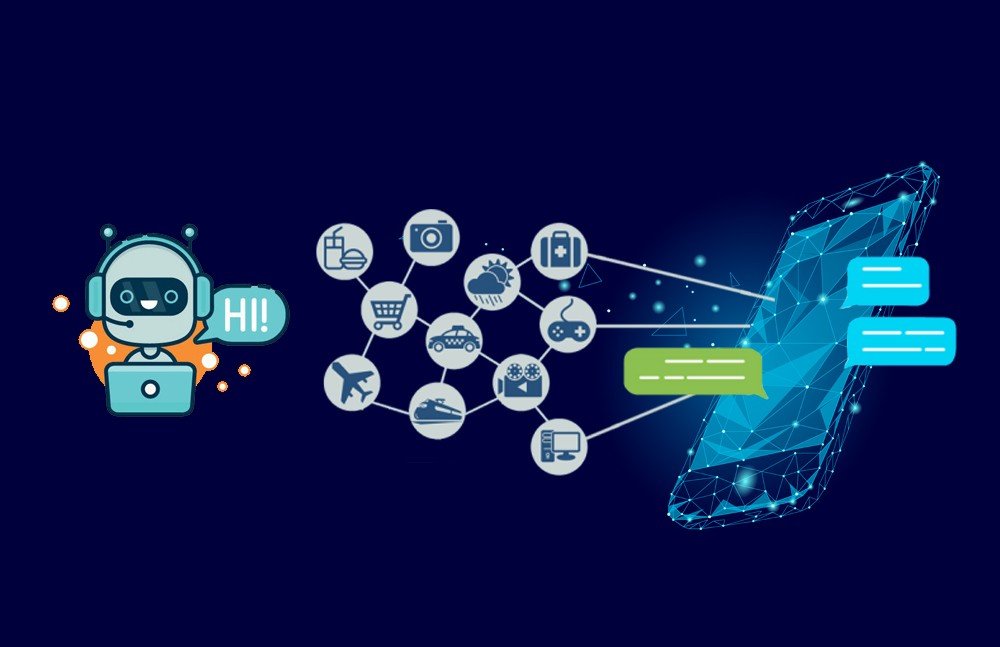
Chatbots are AI-driven tools that simulate human conversation, providing immediate assistance to customers through websites, apps, and social media. They are reshaping the way companies deliver service, helping businesses save costs, increase efficiency, and keep customers satisfied.
This article explores the role of chatbots in customer service, highlighting their benefits, challenges, and best practices for businesses looking to integrate them effectively.
1. Why Chatbots Matter in Modern Customer Service
Today’s customers want speed, convenience, and availability. Traditional customer service models—relying heavily on phone calls and email—can’t always deliver this. Long wait times, limited hours, and human error often frustrate customers.
Chatbots step in to solve these challenges:
-
They are available 24/7.
-
They respond instantly.
-
They can handle thousands of interactions simultaneously.
For businesses, this means reduced workload for human agents and more satisfied customers.
2. Key Roles of Chatbots in Customer Service
2.1 Providing Instant Support
Chatbots are always online, which means customers don’t have to wait for office hours or stand in phone queues. From answering FAQs to providing quick order updates, chatbots deliver immediate help, reducing frustration and boosting loyalty.
2.2 Handling Repetitive Queries
In most businesses, a significant portion of customer queries are repetitive: “Where is my order?”, “What are your shipping options?”, “How do I reset my password?”. Chatbots can answer these instantly, freeing human agents to handle more complex issues.
2.3 Assisting with Sales and Conversions
Chatbots don’t just solve problems—they also sell. They can recommend products, upsell related items, and even guide customers through the checkout process. For example, a chatbot might suggest accessories when a customer adds a laptop to their cart.
2.4 Streamlining Order Tracking and Updates
Instead of emailing or calling customer support, customers can simply ask the chatbot, “Where’s my order?”. The chatbot, integrated with the company’s systems, can instantly provide real-time tracking details.
2.5 Multilingual Support
For global businesses, offering support in multiple languages is often costly. Chatbots can easily be programmed to respond in different languages, making customer service more inclusive and accessible.
2.6 Collecting Customer Feedback
Chatbots can prompt customers for feedback after an interaction or purchase. For example, “How would you rate your experience today?” These responses help businesses monitor satisfaction and identify areas for improvement.
2.7 Reducing Operational Costs
Hiring and training a large customer support team is expensive. Chatbots reduce the need for excessive manpower by automating routine tasks. According to studies, businesses save up to 30% in customer support costs by using chatbots.
3. Benefits of Chatbots for Businesses and Customers
3.1 For Businesses
-
Cost Savings: Automating routine support reduces labor costs.
-
Scalability: Handle thousands of queries at once without hiring more agents.
-
Data Collection: Track customer preferences and behavior for future strategies.
-
Consistency: Unlike humans, chatbots deliver the same quality of service every time.
3.2 For Customers
-
Speed: Instant answers without waiting.
-
Convenience: Support anytime, anywhere.
-
Personalization: Chatbots can tailor recommendations based on purchase history.
-
Accessibility: Multilingual and cross-platform availability.
4. Limitations and Risks of Chatbots
While chatbots offer numerous advantages, they are not flawless. Businesses must be aware of their limitations:
4.1 Lack of Human Touch
Customers facing complex or emotional issues often prefer speaking with a real person. Chatbots may struggle to show empathy or handle nuanced situations.
4.2 Limited Understanding
Despite advancements in AI, chatbots sometimes misinterpret questions, leading to irrelevant or frustrating answers.
4.3 Over-Reliance on Automation
Businesses risk alienating customers if they make it too difficult to reach human support. A chatbot should be a supplement, not a replacement, for human agents.
4.4 Privacy and Security Concerns
Since chatbots handle personal data, poor security measures can expose sensitive information. Businesses must ensure compliance with data protection regulations like GDPR.
5. Best Practices for Using Chatbots in Customer Service
5.1 Blend Automation with Human Support
A chatbot should handle routine queries but offer a smooth handover to human agents for complex issues. For example, “Let me connect you with a representative who can help further.”
5.2 Keep It Simple
Overly complicated chatbots frustrate customers. Design clear conversation flows with simple, intuitive responses.
5.3 Personalize the Experience
Leverage data to provide personalized recommendations, greetings, or solutions. Example: “Hi Sarah, your last order was a pair of sneakers. Would you like to track that?”
5.4 Ensure Transparency
Let customers know when they are talking to a chatbot versus a human. Misleading users can harm trust.
5.5 Continuously Train and Update
Regularly update the chatbot with new FAQs, product details, and scenarios. AI-powered bots improve over time with training.
5.6 Focus on Security
Encrypt conversations, follow privacy regulations, and clearly communicate how customer data will be used.
6. Popular Chatbot Tools for Customer Service
Entrepreneurs don’t need to build chatbots from scratch. Many platforms make it easy to deploy and customize bots:
-
Intercom: Combines chatbots with live human support.
-
Drift: Focused on conversational marketing and sales.
-
Zendesk Answer Bot: Integrates with Zendesk’s customer service suite.
-
ManyChat: Popular for Facebook Messenger and Instagram automation.
-
Tidio: Affordable and simple chatbot solution for small businesses.
Each platform offers different features, so the choice depends on business needs and budget.
7. The Future of Chatbots in Customer Service
Chatbots are evolving quickly, and their role will only grow stronger. Emerging trends include:
-
AI-Powered Natural Language Processing (NLP): Bots that understand and respond more like humans.
-
Voice Bots: Integration with voice assistants like Alexa or Google Assistant.
-
Omnichannel Bots: Seamless support across web, mobile apps, and social media platforms.
-
Proactive Bots: Bots that reach out to customers first, offering help or suggesting products before users even ask.
These advancements will make chatbots more sophisticated, blurring the line between human and AI support.
Final Thoughts
Chatbots have become a vital component of modern customer service. They provide instant, cost-effective, and scalable support while improving the overall customer experience. From handling FAQs to driving sales, their versatility makes them an indispensable tool for e-commerce businesses and beyond.
However, chatbots are not a complete replacement for human agents. The best customer service strategies combine automation with empathy, ensuring that customers always feel heard and valued.
As AI technology advances, chatbots will become even smarter, making businesses more efficient and customers more satisfied. For entrepreneurs, embracing chatbots today isn’t just about keeping up—it’s about staying ahead in a digital-first world.