Artificial Intelligence in E-commerce: Opportunities and Risks
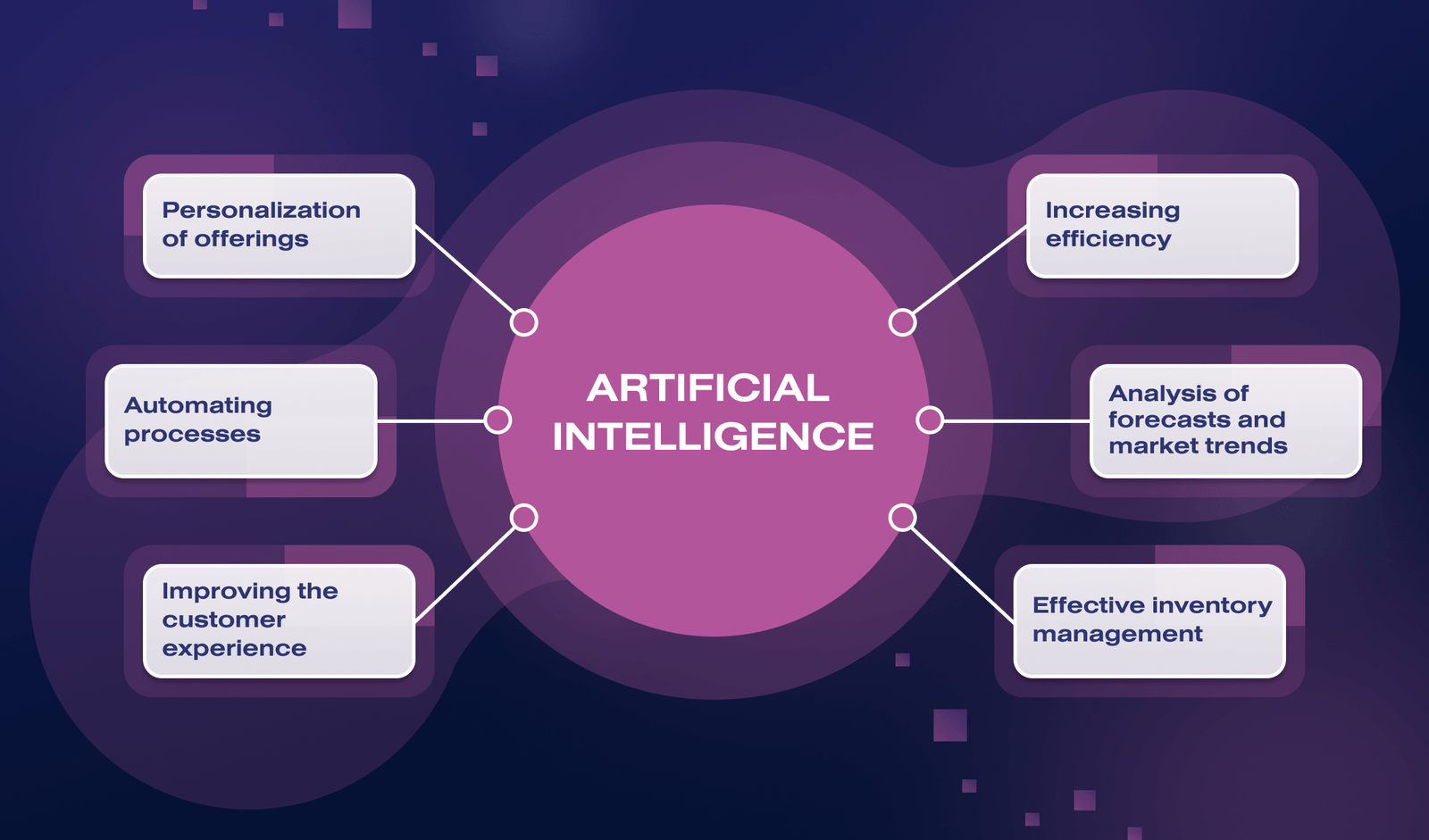
Artificial Intelligence (AI) is transforming industries worldwide, and e-commerce is no exception. From personalized product recommendations to automated chatbots, AI has become a driving force behind smarter, faster, and more profitable online businesses.
But while the opportunities are vast, AI also brings challenges. Misuse, over-reliance, or poor implementation can harm customer trust, inflate costs, or even expose businesses to legal risks. For e-commerce entrepreneurs, understanding both sides of the AI revolution is critical.
This article explores how AI is reshaping e-commerce, the benefits it offers, and the potential risks entrepreneurs must navigate.
1. Opportunities of AI in E-commerce
AI is not just a buzzword—it’s already powering many of the tools and features customers use daily. Let’s dive into the opportunities AI provides for online stores.
1.1 Personalized Shopping Experiences
One of AI’s greatest strengths is personalization. Algorithms analyze browsing history, purchase patterns, and demographics to recommend products tailored to each customer. Amazon, for instance, attributes a large portion of its sales to AI-driven recommendations.
Benefits:
-
Increases conversion rates.
-
Boosts average order value (AOV).
-
Enhances customer satisfaction by reducing decision fatigue.
1.2 Smarter Search and Navigation
AI-powered search engines go beyond basic keyword matching. They understand intent, context, and even synonyms to deliver accurate results. Visual search—where customers upload an image to find similar products—is another innovation driven by AI.
Benefits:
-
Customers find products faster.
-
Reduced cart abandonment.
-
Improved user experience.
1.3 Chatbots and Virtual Assistants
AI-driven chatbots provide instant support, answer FAQs, and guide customers through purchases 24/7. Virtual assistants can even upsell or cross-sell products during conversations.
Benefits:
-
Reduces customer service costs.
-
Provides immediate support.
-
Improves customer satisfaction and trust.
1.4 Predictive Analytics and Demand Forecasting
AI can predict trends, customer behavior, and future demand. This helps stores manage inventory effectively and avoid stockouts or overstocking.
Benefits:
-
Reduces inventory costs.
-
Ensures popular items are always in stock.
-
Improves supply chain efficiency.
1.5 Fraud Detection and Security
AI monitors transactions in real time to detect unusual patterns, preventing fraudulent activities like payment fraud or account takeovers.
Benefits:
-
Reduces chargebacks.
-
Builds customer trust.
-
Strengthens brand reputation.
1.6 Dynamic Pricing
AI enables real-time price adjustments based on demand, competitor pricing, and customer behavior. Airlines and big retailers already use this to maximize revenue.
Benefits:
-
Increases profit margins.
-
Improves competitiveness.
-
Attracts price-sensitive shoppers.
1.7 Visual Merchandising and Content Creation
AI tools generate product descriptions, ad copy, and even images. Platforms like ChatGPT or Jasper help entrepreneurs scale content marketing without hiring large teams.
Benefits:
-
Saves time and costs.
-
Provides consistent quality.
-
Enhances SEO with optimized content.
2. Risks of AI in E-commerce
While AI opens doors to efficiency and growth, it also carries risks. Ignoring these could damage customer relationships or even result in compliance issues.
2.1 Privacy Concerns
Personalization requires collecting customer data—often sensitive information like location, browsing behavior, or purchase history. Mismanagement can lead to breaches or regulatory penalties.
Risks:
-
Violating GDPR or CCPA regulations.
-
Loss of customer trust.
-
Legal and financial repercussions.
2.2 Over-Personalization
While customers appreciate relevant suggestions, overly aggressive personalization can feel intrusive or “creepy.” For example, showing ads for items customers only discussed verbally near their devices can raise suspicion.
Risks:
-
Customers feel monitored.
-
Potential backlash or brand distrust.
2.3 Bias and Discrimination
AI models learn from data, which can contain hidden biases. For instance, an algorithm might prioritize products for certain demographics, unintentionally excluding others.
Risks:
-
Unfair treatment of customers.
-
Reputational damage.
-
Ethical concerns about inclusivity.
2.4 Dependence on Algorithms
Relying too heavily on AI without human oversight can create problems. If the algorithm fails or misinterprets data, it could recommend irrelevant products or set unfair pricing.
Risks:
-
Lower sales due to errors.
-
Frustrated customers.
-
Loss of control over business strategy.
2.5 High Implementation Costs
While many AI tools are affordable, advanced systems like predictive analytics or custom AI models can be expensive. Smaller businesses may struggle to balance investment with returns.
Risks:
-
Increased financial pressure.
-
Slow ROI if adoption is premature.
2.6 Customer Service Limitations
Chatbots can handle routine queries but may fail at solving complex issues. If not properly designed, AI-powered support can frustrate customers instead of helping them.
Risks:
-
Poor customer experience.
-
Negative reviews.
-
Lost sales opportunities.
2.7 Ethical and Legal Issues
AI-driven dynamic pricing may sometimes result in discriminatory pricing (e.g., charging different rates based on location or browsing behavior). Such practices could invite lawsuits or regulatory action.
Risks:
-
Legal penalties.
-
Loss of consumer trust.
3. Balancing Opportunities and Risks
For entrepreneurs, the key is not to fear AI but to use it responsibly. Here are strategies to maximize benefits while minimizing risks:
3.1 Prioritize Transparency
Be clear about how customer data is collected and used. Offer easy opt-outs and ensure compliance with privacy regulations.
3.2 Combine AI with Human Oversight
AI should complement—not replace—human decision-making. For example, customer service teams can use AI tools to assist but still intervene in complex cases.
3.3 Start Small and Scale
Instead of investing heavily in custom AI systems, start with accessible tools like personalized email marketing, chatbots, or AI-driven SEO platforms. Scale as you see ROI.
3.4 Test and Monitor Continuously
Regularly evaluate AI tools for errors, bias, or inefficiencies. Run A/B tests to ensure that algorithms are meeting customer needs.
3.5 Focus on Ethics
Adopt fair practices, avoid discriminatory pricing, and ensure your AI recommendations are inclusive. Ethical use of AI builds long-term trust.
4. Future of AI in E-commerce
AI adoption in e-commerce is accelerating, and the future promises even more innovation:
-
Voice Commerce: Shopping through smart assistants like Alexa and Google Home.
-
Hyper-Personalization: Even more tailored shopping experiences powered by real-time data.
-
AI-Powered Logistics: Automated warehouses and drone deliveries.
-
Augmented Reality (AR): Virtual try-on experiences for clothing, makeup, and furniture.
These advancements will further blur the line between physical and digital shopping.
Final Thoughts
Artificial Intelligence in e-commerce is a double-edged sword. On one hand, it offers unparalleled opportunities—personalization, efficiency, security, and smarter decision-making. On the other, it introduces risks—privacy concerns, biases, over-reliance, and ethical dilemmas.
For entrepreneurs, the goal should be balance: use AI tools to enhance customer experiences and streamline operations, but always with transparency, ethics, and human oversight.
When leveraged responsibly, AI is not just a tool—it’s a growth accelerator that can give your e-commerce business the competitive edge it needs in a crowded market.