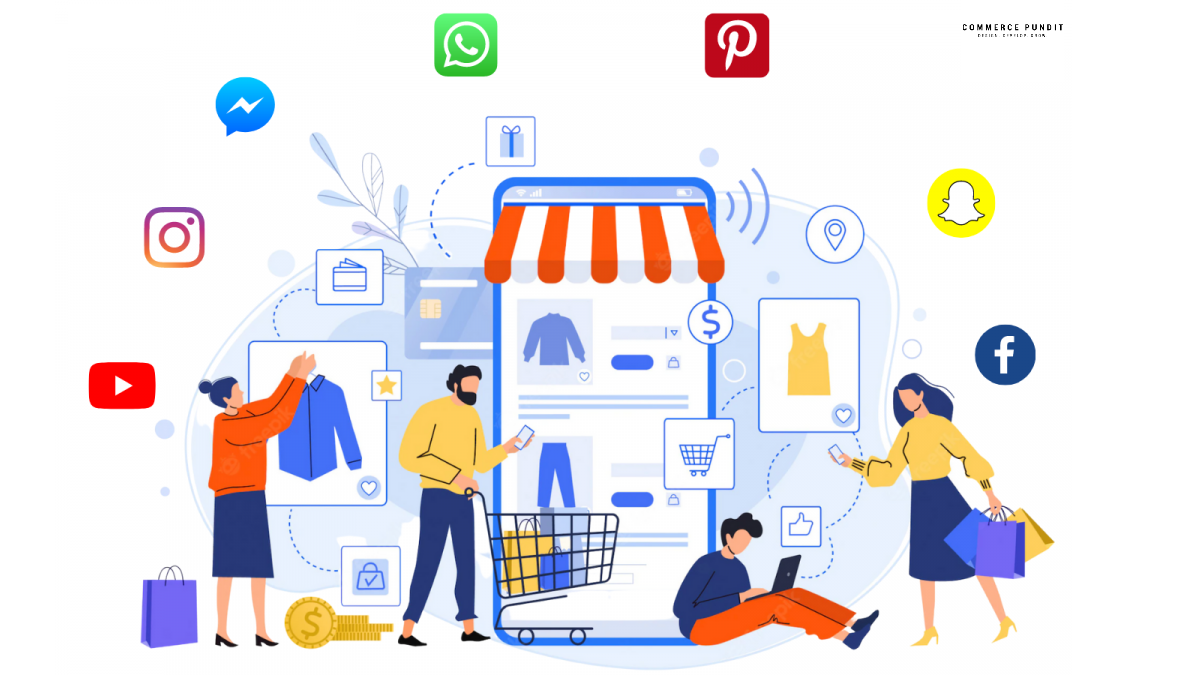
How to Use Social Media to Grow Your Online Store
The rise of social media has completely transformed how businesses connect with their customers. For e-commerce store owners, platforms like Instagram, Facebook, TikTok, and Pinterest are not just tools for sharing content—they’re powerful engines for driving sales and building brand loyalty. If you are looking to grow your online store, social media marketing is one of the most effective (and cost-efficient) strategies you can use.
In this article, we’ll break down exactly how to use social media to grow your online store, even if you’re a beginner.
1. Choose the Right Platforms
Not all social media platforms are created equal. Each attracts a different type of audience, and the best platform for your store depends on your niche.
-
Instagram: Great for fashion, beauty, lifestyle, and visual products. Stories, Reels, and influencer marketing thrive here.
-
Facebook: Still relevant, especially for running ads, creating groups, and engaging older demographics.
-
TikTok: Perfect for trending, short-form video content. Best for younger audiences and brands that can create entertaining, creative clips.
-
Pinterest: Excellent for products related to DIY, home décor, food, fashion, and inspiration.
-
LinkedIn: Useful for B2B brands selling professional services or products.
Tip: Don’t try to master every platform at once. Pick 1–2 platforms where your target customers spend the most time and focus your energy there.
2. Optimize Your Social Media Profiles
Your profile is the first impression a potential customer will get. Treat it like the storefront of your online shop.
-
Profile picture: Use a clean logo or professional brand image.
-
Bio/Description: Clearly explain what your store offers and who it serves. For example: “Eco-friendly skincare products that are safe for you and the planet.”
-
Website link: Add your store link or use tools like Linktree to showcase multiple links (store, blog, discount page).
-
Highlights/Boards: On Instagram and Pinterest, organize your content into themes so customers can quickly find what they’re looking for.
A well-optimized profile builds trust and makes it easy for people to shop with you.
3. Share High-Quality Content Consistently
Content is the heart of social media marketing. Posting consistently builds visibility and keeps your brand top-of-mind.
Types of content to post:
-
Product photos & videos: Showcase your products in use, from different angles, and in real-life situations.
-
Behind-the-scenes: Share how products are made, packed, or shipped. Customers love authenticity.
-
Educational content: Offer tips, how-tos, or guides related to your niche. Example: a clothing brand could post styling tips.
-
User-generated content (UGC): Repost customer reviews, photos, or videos.
-
Entertaining content: Use trends, memes, or storytelling to keep your audience engaged.
Tip: Use a content calendar to plan your posts ahead of time and maintain consistency.
4. Engage with Your Audience
Social media isn’t just about broadcasting—it’s about building relationships.
-
Reply to comments and messages quickly: Show your audience that you care.
-
Ask questions in captions: Encourage followers to share opinions and experiences.
-
Run polls, quizzes, and Q&A sessions: Interactive content boosts engagement and makes your audience feel valued.
-
Join conversations: Comment on trending posts or related content in your niche.
The more you engage, the more trust you build—and trust translates into sales.
5. Use Social Media Advertising
While organic growth is important, paid advertising can accelerate results. Social media ads allow you to target the exact people most likely to buy from you.
-
Facebook & Instagram Ads: Offer precise targeting based on demographics, interests, and behaviors.
-
TikTok Ads: Great for creative, short videos that reach younger audiences.
-
Pinterest Ads: Effective for lifestyle and visual products.
Beginner tips:
-
Start with a small daily budget ($5–$10).
-
Use retargeting ads to bring back visitors who didn’t buy on their first visit.
-
A/B test different ad creatives and messages to see what works best.
Done right, paid ads can deliver a high return on investment and help scale your store quickly.
6. Collaborate with Influencers
Influencer marketing is one of the fastest-growing strategies in e-commerce. Influencers already have loyal audiences who trust their recommendations, making them ideal partners for your brand.
-
Micro-influencers (5k–50k followers) often have higher engagement rates than celebrities.
-
Choose influencers aligned with your niche: A fitness influencer is perfect for a sportswear brand, while a food blogger is ideal for kitchenware.
-
Offer free products or small payments in exchange for posts, shoutouts, or reviews.
-
Track results with affiliate links or discount codes.
Even one good collaboration can introduce your store to thousands of potential customers.
7. Leverage Social Proof
People are more likely to buy when they see others loving your products. Social media is the perfect place to showcase social proof.
Ways to build social proof:
-
Share customer reviews and testimonials.
-
Post unboxing or “happy customer” videos.
-
Highlight follower milestones (e.g., “Thank you for 10k followers!”).
-
Run contests where customers share photos using your product.
The more positive buzz you create, the more confident new customers will feel about shopping from your store.
8. Create Shoppable Content
Social media platforms now make it easier than ever to shop directly from posts.
-
Instagram Shopping: Tag products in posts, so customers can buy with just a click.
-
Facebook Shop: Set up a store directly on your page.
-
Pinterest Buyable Pins: Let users purchase products without leaving the app.
-
TikTok Shop: Enables in-app purchases linked to your store.
Shoppable content shortens the buying process, turning casual scrollers into paying customers instantly.
9. Harness the Power of Trends
Social media thrives on trends—challenges, hashtags, and viral content. Joining the right trend can put your brand in front of a massive audience.
-
Stay updated: Follow industry hashtags, trending songs, or viral memes.
-
Adapt trends creatively: Find ways to link them to your products. For example, a skincare brand could use a trending audio clip to show a before-and-after transformation.
-
Be quick: Trends change fast, so timing is everything.
Trends are a free way to increase visibility and potentially go viral.
10. Track Analytics and Improve
You can’t improve what you don’t measure. Social media platforms provide analytics tools that help you understand what’s working.
-
Engagement metrics: Likes, shares, comments, saves.
-
Traffic data: How many people visit your store from social media.
-
Conversion rate: How many social visitors actually purchase.
-
Ad performance: Click-through rates, cost per purchase, and return on ad spend.
Use these insights to refine your strategy. For example, if videos perform better than static posts, create more video content.
Final Thoughts
Social media is more than just a place for entertainment—it’s one of the most powerful tools you can use to grow your online store. By choosing the right platforms, optimizing your profiles, posting engaging content, building relationships, running ads, collaborating with influencers, showcasing social proof, and analyzing results, you can steadily increase traffic, sales, and brand loyalty.
Remember, success on social media doesn’t happen overnight. It takes consistency, creativity, and a willingness to experiment. Start small, learn from your analytics, and double down on what works best for your brand. With the right approach, social media can transform your online store from a small startup into a thriving business.